

Questions this work can help answer.
- Who matters most, and what decision are we trying to influence?
- What category or competitive frame helps people understand us quickly?
- Which customer problem, tension, ambition, or value should the brand own?
- What makes the promise credible and defensible?
- What should the brand sound and feel like—and what should it deliberately avoid?
- Which messages matter most across audiences and touchpoints?
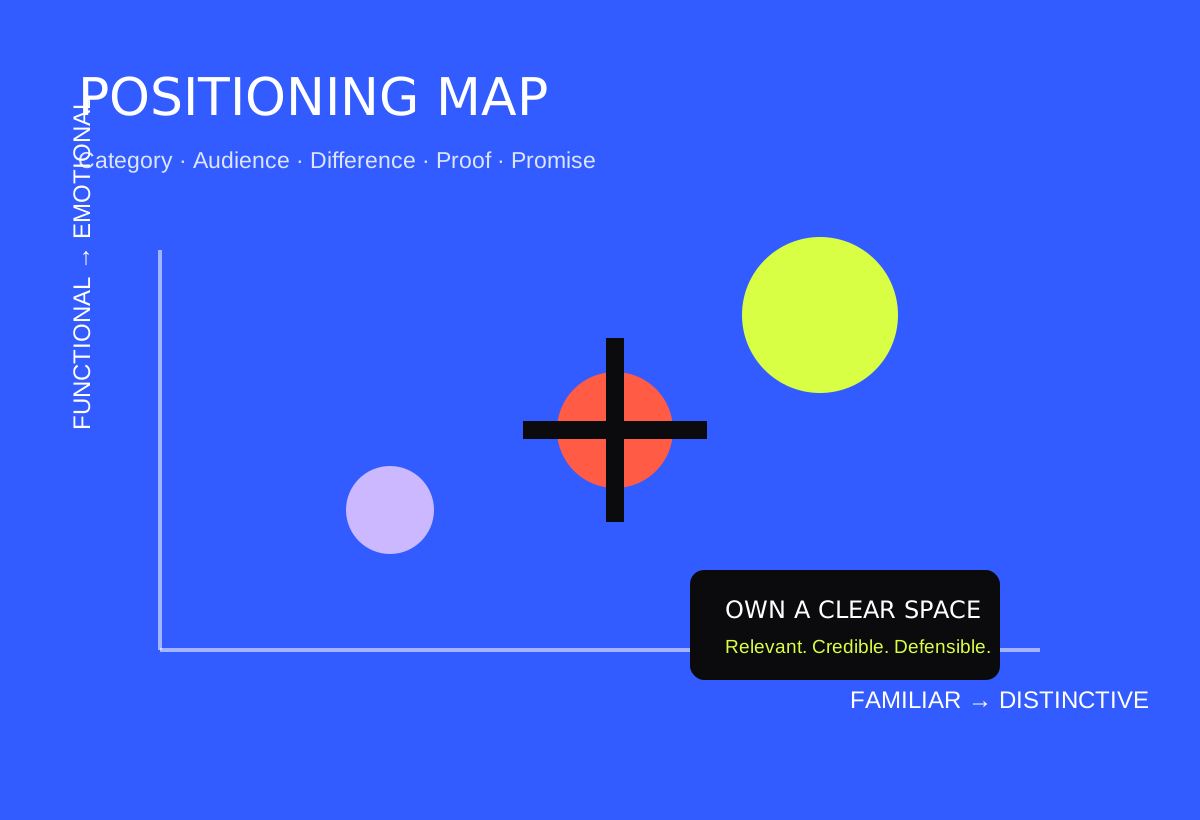
Typical workstreams.
Brand context
Business priorities, offer, growth direction, audience needs, category signals, existing brand equity, and constraints.
Positioning choices
Audience priority, frame of reference, relevance, differentiation, promise, reasons to believe, personality, and brand idea.
Message architecture
Core message, support points, proof, audience emphasis, tone, and narrative hierarchy.
Decision principles
Criteria that guide identity, campaigns, content, partnerships, and future brand choices.
Potential deliverables.
The exact output depends on scope, available information, timeline, and the decisions the organization needs to make.
Common questions.
No. A tagline may express part of the positioning, but positioning is the strategic logic underneath the entire brand.
The right level of research depends on the decision, existing evidence, market complexity, budget, and risk. We distinguish evidence from assumption and identify where further research would materially improve confidence.
Brand positioning is strategic business consulting. Claims about products, performance, competitors, regulated industries, or public communications may require legal, regulatory, technical, or market-research review.