

Questions this work can help answer.
- How should the logo behave across sizes, backgrounds, and formats?
- Which colors, typefaces, layout rules, and graphic devices create recognition?
- What kind of imagery supports the intended brand perception?
- Which applications need reusable templates rather than one-off design?
- Where do teams and vendors need clear rules, examples, or decision ownership?
- How should the system evolve without losing coherence?
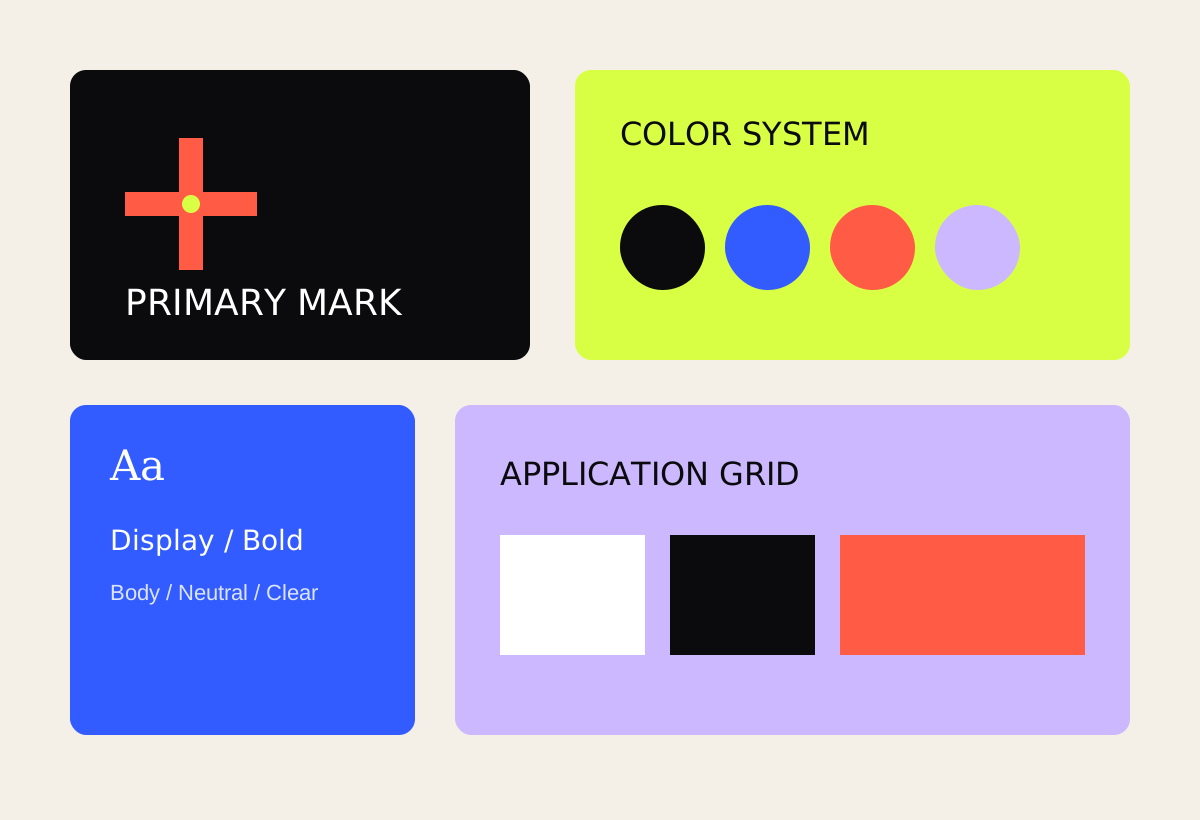
Typical workstreams.
Core identity
Primary and secondary marks, clear space, minimum size, backgrounds, lockups, and misuse guidance.
Visual language
Color, typography, graphic devices, layout principles, icon or illustration direction, imagery style, and motion considerations.
Application system
Priority templates and examples across digital, presentations, documents, social, campaigns, or other scoped touchpoints.
Governance
Guidelines, files, templates, ownership, vendor instructions, and rules for approving new applications.
Potential deliverables.
The exact output depends on scope, available information, timeline, and the decisions the organization needs to make.
Common questions.
No. Even smaller organizations benefit from simple, well-defined rules when multiple people or vendors create brand materials.
It should feel related, not identical. A good system creates recognizable patterns while preserving flexibility for different content and formats.
Font, photography, illustration, software, stock asset, and other third-party licensing requirements depend on the final selected assets and should be documented during implementation.